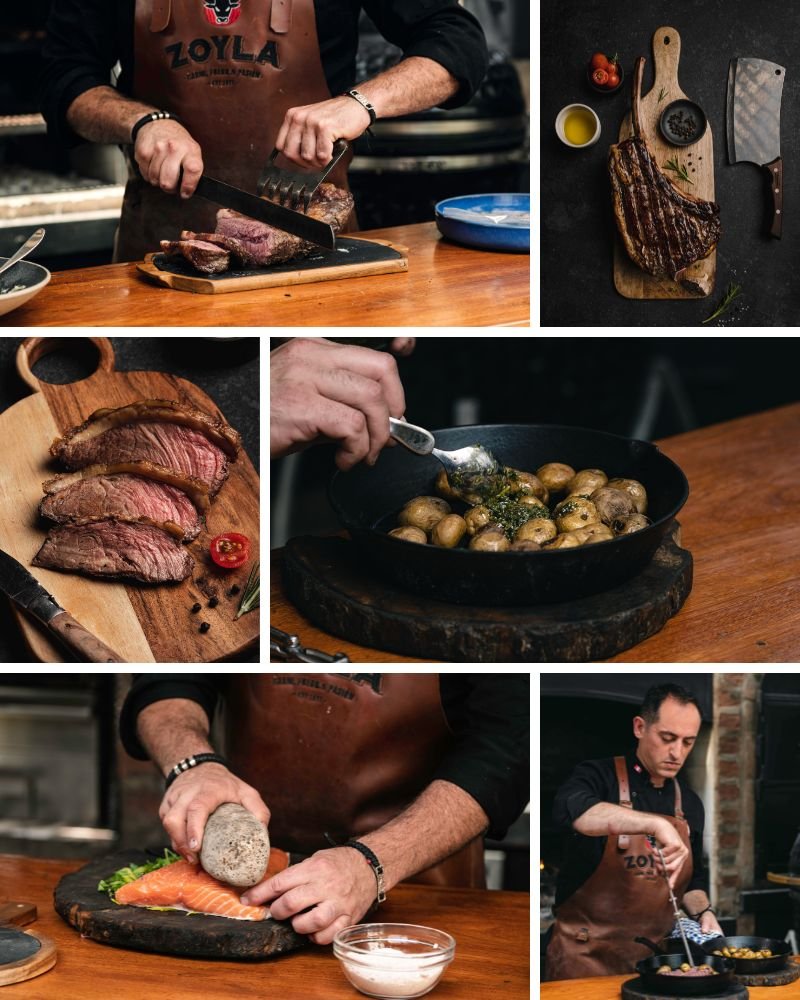
Ever stared at a piece of dry, bland chicken and wondered where you went wrong? Or perhaps eyed a beautifully seared steak in a restaurant, wishing you could replicate that perfect crust and juicy interior at home? The secret often lies not in complex recipes, but in mastering the fundamental Grilling & Pan-Frying Techniques. These two culinary titans offer distinct paths to flavor and texture, but knowing which one to wield, and how, is the real game-changer for moist, delectable results every time.
Forget guessing. This guide will arm you with the expert insights you need to confidently choose and execute the right technique, transforming your cooking from guesswork to gourmet.
At a Glance: Grilling vs. Pan-Frying
- Grilling: Uses strong, radiant heat for smoky flavor, char marks, and a firmer bite. Great for meats with natural fat or marinades, and allows excess fat to drip away.
- Pan-Frying: Relies on direct contact heat and a little fat to create a crispy crust and a tender, moist interior. Ideal for delicate foods and lean proteins where moisture retention is key.
- Moisture Retention: Pan-frying often edges out grilling for consistent juiciness, thanks to the fat barrier and ability to trap steam. Grilling can still be moist with the right cuts and care.
- Flavor Profile: Grilling delivers unique smoky depth; pan-frying excels at rich, browned crusts.
- Nutritional Impact: Grilling generally uses less added fat; pan-frying can incorporate healthy fats but adds calories.
The Heart of the Matter: Why Moisture is Your Culinary Superpower
Before we dive into the techniques, let's talk about why moisture matters so profoundly in cooking. It's more than just preventing dryness; it's the very backbone of flavor, texture, and overall eating satisfaction. Imagine biting into a succulent piece of fish versus a parched, flaky one. The difference is night and day.
Moisture acts as a carrier for flavors, distributing them throughout the food and helping your palate perceive nuances. It contributes to a pleasant mouthfeel, prevents stringiness, and ensures every bite is tender and enjoyable. When food dries out, flavors become muted, textures turn tough, and what started as a promising dish can quickly become forgettable. Mastering moisture retention is truly mastering the art of delicious food.
Grilling vs. Pan-Frying: A Fundamental Showdown of Heat
At their core, grilling and pan-frying are about applying heat to food, but how they do it—and the implications for your dish—couldn't be more different. Understanding these foundational differences is your first step to culinary mastery.
The Allure of the Open Flame: Grilling Techniques
Grilling taps into primal cooking instincts, using strong radiant heat, typically from open flames, hot coals, or electric heating elements. Think about the intense heat radiating from a campfire or a gas grill.
How Radiant Heat Works:
When you place food on a grill, the heat waves directly hit its surface, causing a rapid temperature increase. This intense, direct exposure triggers the Maillard reaction almost instantly, creating those coveted grill marks and a beautifully seared exterior.
What Grilling Does to Your Food:
- Fast Searing: The high heat quickly sears the outer layers, which helps to create a barrier and initially keeps some juices locked just beneath the surface.
- Char Lines: The direct contact with hot grates creates distinct char lines, adding visual appeal and concentrated flavor.
- Smoky Taste: Whether from burning wood, charcoal, or even vaporized drippings on gas burners, grilling imparts a unique smoky depth that's hard to replicate with other methods.
- Moisture Loss Risk: Because food is exposed to open air and often intense, dry heat for prolonged periods, grilling can be prone to moisture loss, leading to a drier product if not managed carefully.
When Grilling Shines Brightest:
Grilling is your go-to for foods that benefit from robust flavors, a firmer texture, and where excess fat needs to drip away. - Meats with Natural Fat: Steaks, burgers, sausages, lamb chops—their fat renders and bastes the meat, keeping it moist.
- Marinated Foods: Chicken tikka, paneer skewers, and other items doused in marinades benefit from the intense heat caramelizing their surfaces and sealing in flavor. Speaking of chicken, there's so much to learn about preparing all about small chickens for the grill.
- Vegetables: Corn on the cob, bell peppers, zucchini, asparagus—grilling brings out their natural sweetness and gives them a pleasant char.
- Firm Proteins: Halloumi cheese, thick-cut tofu.
Strengths of Grilling: - Smoky Depth: Unbeatable flavor profile.
- Firmer Bite: Creates a satisfying chew.
- Fat Drains Away: Often results in a leaner finished product as excess fat drips through the grates.
The Gentle Embrace of the Skillet: Pan-Frying Techniques
Pan-frying, by contrast, uses direct contact heat. Your food sits in a hot skillet, often with a small amount of fat, which acts as a heat-transfer medium and a flavor enhancer.
How Contact Heat Works:
The hot surface of the pan directly transfers heat to the food. The fat in the pan ensures even heat distribution, preventing hot spots and promoting uniform cooking and browning.
What Pan-Frying Does to Your Food:
- Even Searing and Browning: The constant contact with the hot, oiled surface creates a consistent, golden-brown crust (the Maillard reaction at its best).
- Fat Barrier: The cooking fat forms a protective barrier around the food, actively working to keep its natural juices inside.
- Steam Trapping (with a lid): Covering the pan traps steam, creating a moist environment that can infuse extra juiciness, especially for quick-cooking items.
- Controlled Environment: Unlike the open air of a grill, a pan offers a more controlled cooking environment, making it easier to manage moisture.
When Pan-Frying is Your Best Bet:
Pan-frying excels when you prioritize tenderness, a crispy exterior, and superior moisture retention, especially for delicate or leaner foods. - Delicate Fish Fillets: Cod, sole, snapper—they cook quickly and stay incredibly moist.
- Lean Proteins: Chicken cutlets, thinly sliced pork, tofu, paneer snacks.
- Eggs & Breakfast Items: Omelets, pancakes, French toast.
- Breads: Grilled cheese, quesadillas.
Strengths of Pan-Frying: - Gentle Control over Moisture: The fat barrier and option to cover the pan keep food exceptionally juicy.
- Crisp Crust, Soft Inside: Achieves that perfect textural contrast.
- Weeknight Friendly: Often quicker and requires less setup than grilling.
The Moisture Debate: Who Wins the Juicy Battle?
This is the million-dollar question for many home cooks: which method truly keeps food moist? The ground truth reveals a clear front-runner, but with important caveats.
Pan-Frying Often Takes the Crown for Moisture Retention.
Why? Several factors align in its favor:
- Closer Heat Contact: The entire surface touching the pan receives even, consistent heat, sealing juices more uniformly.
- Protective Fat Barrier: The oil or butter you use doesn't just prevent sticking; it creates a protective, heat-conducting layer that helps shield the food's interior from drying out. This fat essentially 'bastes' the food continuously.
- Steam Lock-in: The simple act of covering your pan traps steam, creating a humid micro-environment around the food. This steam helps cook the food gently while simultaneously preventing excessive moisture evaporation.
But Grilling Can Also Deliver Moist Results.
While pan-frying has an inherent advantage, don't write off grilling for juicy food. It just requires a bit more intentionality:
- Choose Wisely: Opt for fattier cuts of meat (like ribeye or chicken thighs) whose natural fats will render and baste the meat, helping it stay moist.
- Marinades are Your Friend: Acidic or oil-based marinades not only add flavor but also penetrate the surface, helping to tenderize and hydrate the food, making it less susceptible to drying out on the grill.
- Temperature Control is Key: Use different heat zones on your grill. Sear quickly over high heat, then move to a cooler zone to finish cooking gently, allowing the interior to reach doneness without overcooking the exterior.
- Don't Overcook: This is paramount for both methods, but especially crucial for grilling. A few extra minutes on the grill can turn a tender steak into shoe leather. Use a meat thermometer!
- Rest Your Meat: After grilling, let your meat rest for 5-10 minutes off the heat. This allows the juices, which have been pushed to the center by the heat, to redistribute throughout the meat, resulting in a more consistently moist and flavorful bite.
The Takeaway: If tenderness and consistent moisture are your absolute top priorities, especially for leaner proteins or delicate items, pan-frying usually delivers better, more predictable results. For that stronger smoky flavor and the benefit of less added fat, grilling is an excellent choice, provided you select appropriate foods and cook them judiciously.
Beyond Flavor: A Nutritional Snapshot of Grilling vs. Pan-Frying
When we talk about cooking, taste and texture are paramount, but health and nutrition are increasingly important considerations. Both grilling and pan-frying have distinct nutritional profiles worth exploring.
| Aspect | Grilling | Pan-Frying |
|---|---|---|
| Fat Content | Lower; excess fat drips away through grates. | Higher; requires added oil/butter, which can be absorbed by food. |
| Calorie Count | Generally lower, especially if using lean proteins without oil-heavy marinades. | Higher due to cooking fats absorbed into the food. |
| Nutrient Retention | Can lose some water-soluble vitamins (e.g., B vitamins, Vitamin C) due to high heat and moisture loss. | Better retention of fat-soluble vitamins (A, D, E, K) due to the presence of cooking fats. |
| Moisture Retention | Prone to moisture loss from open-air exposure; best results with fattier cuts and careful technique. | Superior moisture retention with proper temperature control and the protective fat barrier. |
| Cooking Fat Required | Minimal to none (optional marinade or brush of oil). | Required for heat transfer, flavor, and preventing sticking. |
| Potential Health Concerns | Formation of Heterocyclic Amines (HCAs) and Polycyclic Aromatic Hydrocarbons (PAHs) at very high temperatures, especially from charring. | Higher calorie intake from added fats; risk of trans fats if using partially hydrogenated oils. |
| Best for Healthy Fats | Limited opportunity unless cooking fatty fish (like salmon) or marbled meats. | Excellent for incorporating healthy fats like olive oil, avocado oil, or ghee into your diet. |
| Texture Result | Charred exterior, potential for dryness if overcooked. | Crispy crust with a moist interior when executed correctly. |
| In essence: If your goal is to minimize added fats and calories, grilling often comes out ahead, though it's important to be mindful of potential carcinogens from excessive charring. Marinating before grilling can reduce HCA formation. If you're looking to incorporate healthy fats or prioritize maximum moisture and a crispy texture, pan-frying offers a fantastic option, provided you choose the right cooking fats and manage portions. |
Mastering Each Technique: Tips for Perfection
Knowing the theory is one thing; putting it into practice is another. Here's how to elevate your grilling and pan-frying game.
Grilling Best Practices: Unlocking the Smoke and Sizzle
Grilling isn't just about throwing food over a flame; it's an art of heat management and timing.
- Preheat Your Grill: Always preheat your grill to the target temperature (usually medium-high for searing) for at least 10-15 minutes. This creates a hot, even cooking surface and prevents sticking.
- Clean and Oil Your Grates: Use a stiff-bristled brush to clean off any residue from previous cooks. Then, lightly oil the hot grates with a paper towel dipped in high-smoke-point oil (like grapeseed or avocado oil) held with tongs. This also helps prevent sticking.
- Utilize Direct and Indirect Heat:
- Direct Heat: For searing, charring, and quickly cooking thinner items.
- Indirect Heat: For thicker items that need to cook through without burning the exterior, or for finishing dishes. Sear over direct heat, then move to indirect to finish.
- Don't Overcrowd the Grill: Give your food space. Overcrowding drops the grill's temperature and steams food instead of searing it.
- Resist the Urge to Flip Constantly: For good grill marks and a proper sear, let the food cook undisturbed for a few minutes per side. Flip only once or twice.
- Marinade and Season Generously: Marinades add flavor and moisture. Even a simple rub of salt, pepper, and herbs makes a huge difference.
- Rest Your Cooked Meats: Crucial for juiciness! Tent meat loosely with foil and let it rest for 5-10 minutes (longer for larger cuts) after removing it from the grill.
Pan-Frying Secrets: Achieving That Perfect Golden Crust
Pan-frying is about controlled heat and the careful application of fat to create a beautiful crust.
- Choose the Right Pan: A heavy-bottomed pan, like cast iron, stainless steel, or a good non-stick skillet, is essential. They retain heat well and distribute it evenly.
- Select the Right Fat:
- High Smoke Point (for searing): Grapeseed, avocado, canola, or clarified butter (ghee).
- Flavorful (lower smoke point, but good for finishing): Olive oil (extra virgin for flavor, regular for cooking), butter (adds richness but burns easily).
- Use just enough fat to coat the bottom of the pan—a thin layer is usually sufficient.
- Preheat Your Pan Properly: Heat the pan before adding the fat. Once hot, add the fat and let it shimmer (or melt and foam if butter) before adding food. This ensures immediate searing and prevents sticking.
- Don't Overcrowd the Pan: Like grilling, overcrowding a pan lowers the temperature dramatically. This leads to steaming instead of searing, resulting in limp, pale food. Cook in batches if necessary.
- Pat Food Dry: Moisture is the enemy of a good sear. Pat your protein or vegetables thoroughly dry with paper towels before placing them in the hot pan. This allows for direct contact with the hot fat and pan surface, facilitating the Maillard reaction.
- Listen to Your Food: Sizzling is good; splattering uncontrollably means your heat is too high. A gentle, consistent sizzle is what you're after.
- Deglaze for Sauce: After pan-frying, don't waste those flavorful browned bits (fond) stuck to the bottom of the pan. Add a splash of wine, broth, or water to the hot pan, scrape the bottom with a wooden spoon, and you've got the base for a quick, delicious pan sauce.
Choosing Your Culinary Weapon: When to Grill, When to Pan-Fry
The "best" technique isn't universal; it depends entirely on your desired outcome, the food you're cooking, and even the occasion.
Opt for Grilling When You Want:
- Smoky Flavor: Unbeatable depth from char and smoke.
- Distinct Char Marks: A visual and textural appeal.
- Firm Texture: Excellent for vegetables or proteins where you want a bit more chew.
- Less Added Fat: Great for healthier eating, as excess fat drips away.
- Cooking for a Crowd Outdoors: Grilling is inherently social and efficient for larger quantities.
- Foods with Natural Fats/Marinades: Steaks, burgers, sausages, marinated chicken or paneer.
Choose Pan-Frying When You Need:
- Maximum Moisture & Tenderness: Especially for lean proteins or delicate fish.
- A Crispy, Golden Crust: Achieves consistent browning on all contact surfaces.
- Precise Control: Easier to monitor and adjust heat, especially indoors.
- Incorporating Healthy Fats: Use olive, avocado, or coconut oil.
- Quick Weeknight Meals: Often faster setup and cleanup than a grill.
- Delicate Foods: Fish fillets, chicken cutlets, tofu, paneer, eggs.
- A Base for Pan Sauce: The fond created is perfect for building flavor.
The Actionable Insight: Don't limit yourself. The most versatile home cooks alternate between these methods based on the specific dish and occasion. Want smoky chicken? Grill it. Craving crispy-skinned salmon that flakes beautifully? Pan-fry it. The best approach is to match the food to the most suitable cooking technique to achieve your desired moisture, flavor, and texture.
Common Questions & Culinary Myths
Let's clear up some common misconceptions about these techniques.
Q: Does searing truly "seal in" juices?
A: This is a persistent myth! While searing creates a delicious crust and can prevent some initial moisture loss from the surface, it doesn't "seal" anything. In fact, intense heat can drive moisture out. The real benefit of searing is flavor development through the Maillard reaction and the creation of a desirable texture. Juiciness comes from proper cooking temperatures, resting, and not overcooking.
Q: Is grilled food always healthier than pan-fried food?
A: Not necessarily. While grilling often uses less added fat, the high temperatures can lead to the formation of HCAs and PAHs, potential carcinogens, especially with excessive charring. Pan-frying, while often using more oil, allows for the incorporation of healthy fats (like olive oil) and avoids the specific risks associated with charring. Moderation and proper technique are key for both.
Q: Can I pan-fry a thick steak?
A: Absolutely! It's a fantastic method for thick steaks. You'd typically sear it aggressively in a hot pan (cast iron is ideal) to get a perfect crust, then often transfer it to a preheated oven to finish cooking through to your desired doneness. This two-stage method gives you the best of both worlds: a great sear and even internal cooking.
Q: What's the biggest mistake people make with both techniques?
A: Overcooking. Whether it's on the grill or in a pan, taking food past its ideal doneness is the fastest way to dry it out and make it tough. Invest in a good instant-read thermometer and learn the target internal temperatures for your proteins.
Your Culinary Journey Starts Now
Understanding the nuances of grilling and pan-frying is more than just learning to cook; it's learning to truly master your kitchen. These two fundamental techniques, when applied thoughtfully, hold the power to transform ordinary ingredients into extraordinary meals.
Now that you're armed with the knowledge of how each method affects moisture, flavor, and nutrition, it's time to put it into practice. Experiment with different foods, pay attention to the subtle cues from your ingredients, and don't be afraid to try both techniques for similar dishes to truly appreciate their unique contributions. Whether you're chasing that irresistible smoky char or a delicate, crispy crust with a tender heart, the path to moist and flavorful food is now clear. Happy cooking!